
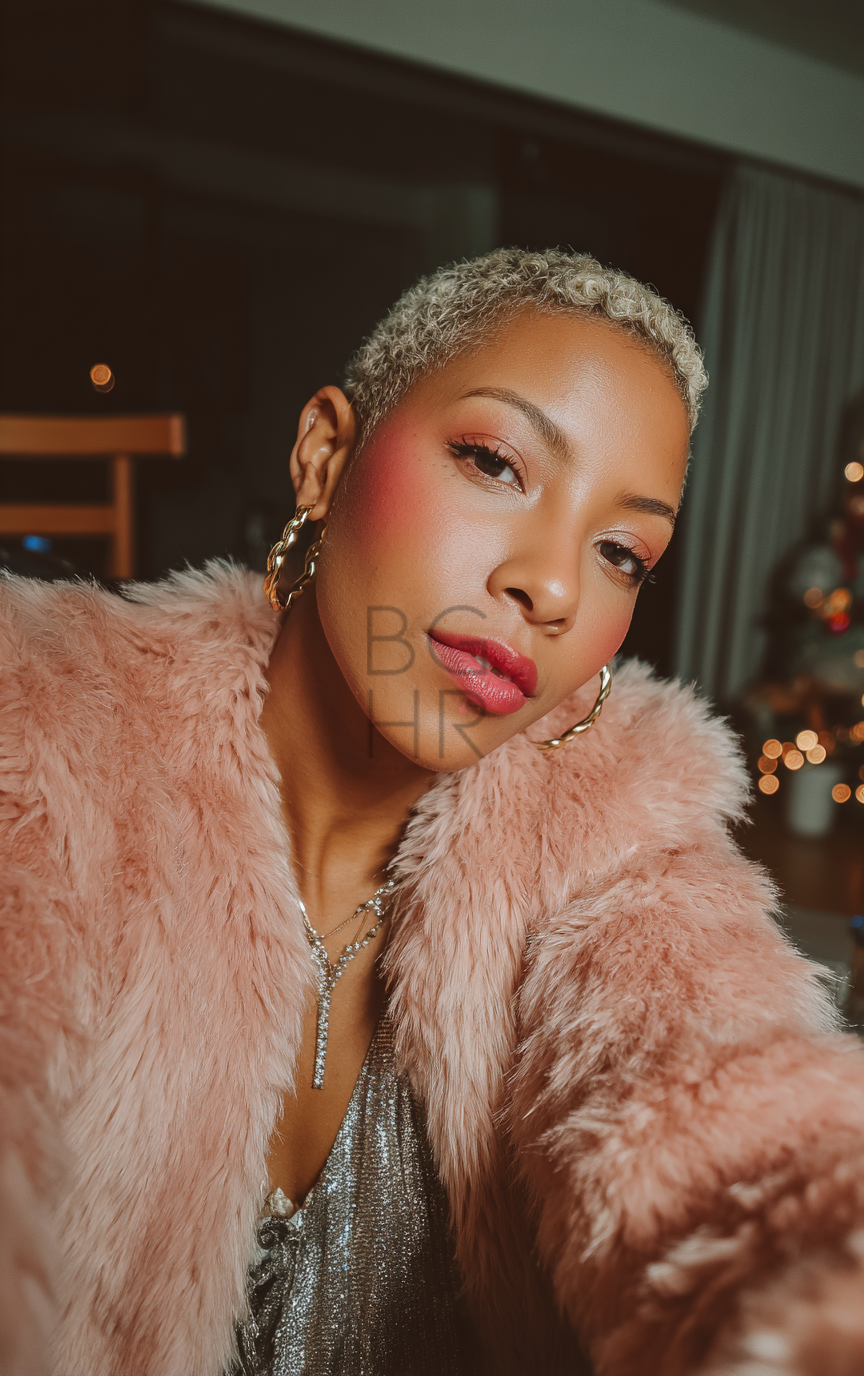
Going short is one of the boldest beauty moves you can make. A great short cut shows off your cheekbones, your eyes and your confidence all at once. But if you have ever walked out of a shop with a cut that just did not feel like you, you know that the right short style depends on more than a picture on your phone.
The secret is matching the cut to your face shape, your texture and your lifestyle. Here is how to figure out what works for you before you sit in that chair.
Step One: Find Your Face Shape
Pull your hair completely off your face, stand in front of a mirror and look at three things: the width of your forehead, the width of your cheekbones and the shape of your jawline. Then look at overall length compared to width.
- Oval: Face is a little longer than it is wide, with a jaw slightly narrower than the forehead and soft curves.
- Round: Width and length are close to equal, with full cheeks and a soft, rounded jaw.
- Square: Forehead, cheekbones and jaw are close in width, with a strong, angular jawline.
- Heart: Wider forehead and cheekbones that narrow down to a pointed or delicate chin.
- Oblong: Face is noticeably longer than it is wide, with a long, straight cheek line.
- Diamond: Cheekbones are the widest point, with a narrower forehead and jaw.
Most of us are a blend of two shapes, so go with the one that feels closest. You are looking for balance, not perfection.
The Best Short Cuts for Each Face Shape
Oval Faces
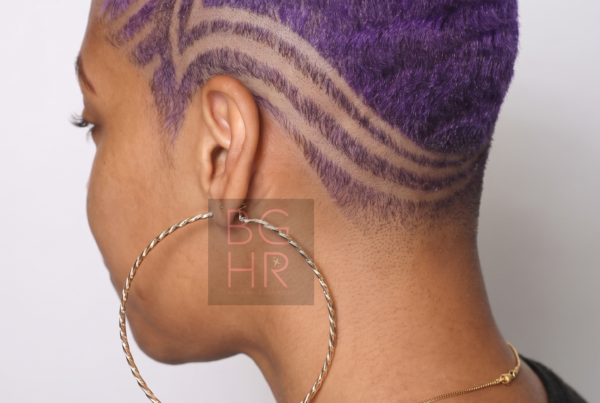
You can pull off almost anything. A classic tapered cut, a sleek pixie or even a bold buzz cut will work with your proportions. This is your chance to play with color or a sharp design in the back.
Round Faces
The goal is to add height and angles. Ask for volume on top with tapered sides, an asymmetrical pixie or a side-swept bang. Height at the crown lengthens your face, while close sides keep the look sharp. Avoid cuts that are full and rounded at the cheeks.
Square Faces
Soften a strong jaw with texture and movement. Soft curly tapers, wispy pixie layers and finger waves all add curves. Very blunt, boxy shapes can make the jaw look heavier, so keep the edges soft.
Heart Faces
You want to balance a wider forehead. A side-swept pixie, a tapered cut with fullness near the ears or a soft fringe pulls attention down toward your eyes and lips. Skip extra height on top, which can make the forehead look wider.
Oblong Faces
Add width, not height. Curly pixies with fullness on the sides, a short bob that hits at the cheek or bangs all help shorten the look of a longer face. A very tall top section will stretch it further.
Diamond Faces
Show off those cheekbones. Tapered cuts with a little fullness at the forehead and chin, a textured crop or a side-parted pixie work beautifully. Keep the sides close so your cheekbones stay the star.
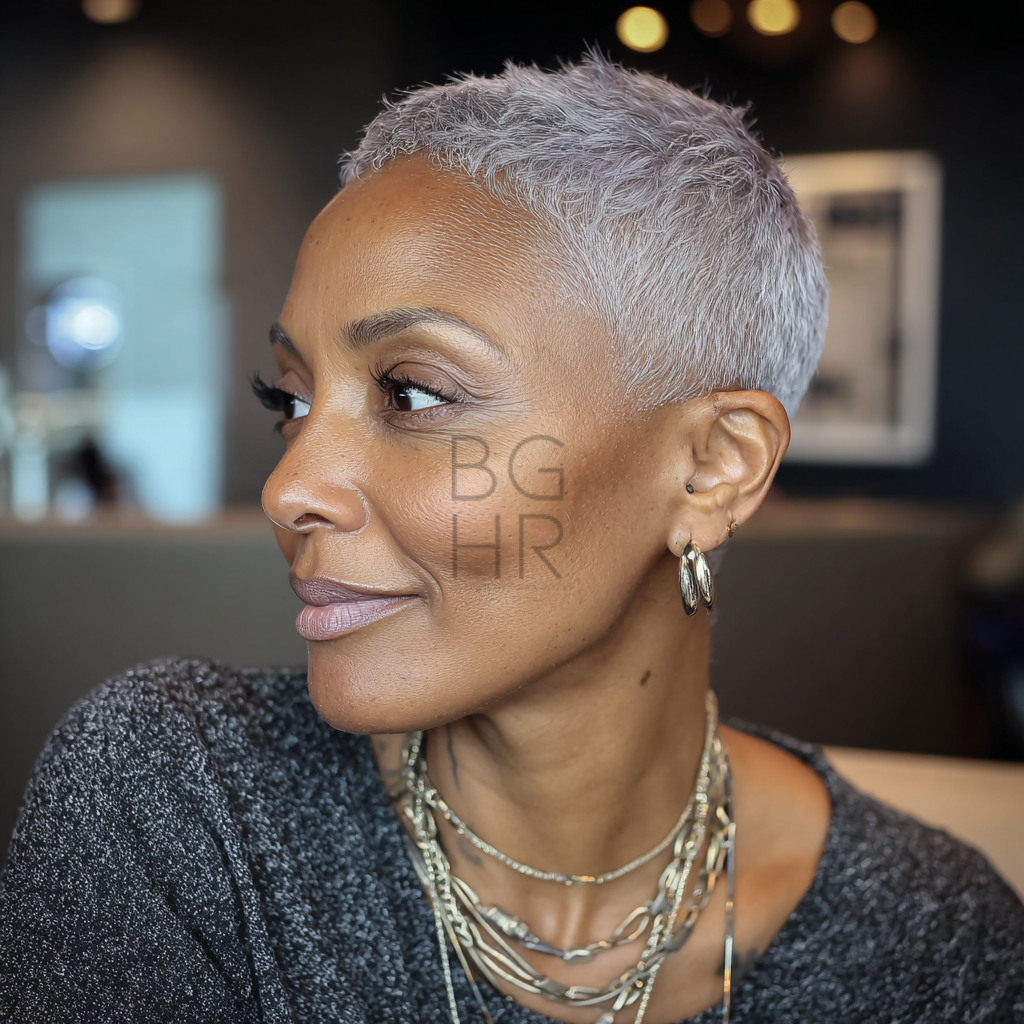
Step Two: Be Honest About Your Texture
Face shape is half the story. Your hair texture decides how a cut behaves day to day.
- Tight coils (4B and 4C): Tapered cuts and TWAs (teeny weeny afros) are easy to shape and show off natural definition. Shrinkage means a cut can look shorter dry than wet, so talk to your barber or stylist about length before they start.
- Looser curls (3C to 4A): Curly pixies and shaped tapers let your pattern do the work. A wash-and-go can be your whole routine.
- Relaxed or pressed hair: Sleek pixies, layered crops and short bobs are polished and quick to style, but they need regular trims and gentle heat.
Step Three: Match It to Your Life
A cut has to fit your mornings, not just your face. Ask yourself:
- How much time do I have? A natural taper might take five minutes. A sculpted pixie with finger waves takes more.
- How often can I get it shaped? Short cuts look their best with a trim every three to six weeks. Plan for that in your budget.
- Do I work out often? Natural tapers and buzz cuts handle sweat much better than pressed styles.
- Will I want to grow it out? Some shapes grow out more gracefully than others. Ask your stylist how the cut will look in two months.
How to Talk to Your Stylist or Barber
Bring two or three photos of cuts you love on women with a similar texture to yours. Then explain what you like about each one, whether it is the length on top, the fade in the back or the way the bang falls. Tell them your face shape and how much time you want to spend styling. A good stylist will be honest if a look will not translate to your hair, and will suggest how to adjust it.
Keep Your Short Cut Healthy
- Moisturize your scalp. With less hair covering it, it can dry out faster, especially in winter.
- Sleep on satin or wear a satin cap to keep your shape and prevent breakage at the nape.
- Go easy on edge control and gels. Heavy, daily use can build up and pull on fragile edges.
- Stay on top of trims. Short hair loses its shape fast, and a fresh shape-up makes everything look intentional.
The Bottom Line
The best short cut is the one that fits your face, works with your texture and feels like you on a regular Tuesday. Start with your face shape, be honest about your routine and walk in with clear photos. Then let your confidence finish the look.
Need inspiration? Browse our Short Hair Rocks collection, and tag @bghrocks or submit your photo to show off your new cut.